
Karnak Temple, the ancient sanctuary of Amun, is one of Egypt’s most impressive religious complexes and a central pillar of Theban worship. Its vast halls, towering columns, and ceremonial avenues reflect centuries of royal devotion. Aligned with Luxor Temple through the Avenue of Sphinxes, it served as the starting point of the Opet Festival, during which sacred statues were carried in procession. Today, Karnak stands as a monumental archive of ancient architecture, spirituality, and evolving dynastic power, offering an extraordinary glimpse into thousands of years of history.
Sightseeing

Karnak Temple

Luxor Temple
Luxor Temple, known in antiquity as the Southern Sanctuary, sits at the heart of modern Luxor and remains one of Egypt’s most elegant sacred structures. Built by New Kingdom pharaohs and expanded over time, it is uniquely aligned with Karnak Temple, emphasizing its role in the Opet Festival ritual. With its graceful courtyard, towering statues, and beautifully preserved reliefs, Luxor Temple reflects themes of kingship and divine rebirth. Its layers of history, spanning multiple eras, offer a serene and atmospheric window into ancient ceremony and timeless architectural refinement.

Hatshepsut Temple
Hatshepsut’s Temple at Deir al-Bahari rises in harmonious terraces beneath dramatic limestone cliffs on Luxor’s west bank. Designed with exceptional symmetry and elegant open courtyards, it honors Egypt’s famed female pharaoh and her divine lineage. The temple served as both a mortuary complex and a statement of political authority, blending seamlessly into the surrounding landscape. Its reliefs, celebrating trade expeditions and royal triumphs, highlight the sophistication of New Kingdom artistry. Deir al-Bahari remains an enduring symbol of innovation, power, and architectural mastery in ancient Egyptian civilization.

Colossi of Memnon
The Colossi of Memnon, two monumental statues of Pharaoh Amenhotep III, stand as imposing sentinels at the entrance of his once-vast mortuary temple. Each rising over 18 meters high, they have witnessed millennia of history, Nile floods, and evolving landscapes. These statues are famed not only for their scale but also for ancient accounts of the “singing” phenomenon once heard at dawn. Today, they remain iconic landmarks of the Theban west bank, offering visitors a striking encounter with royal grandeur and the enduring legacy of ancient Egyptian craftsmanship.

Valley of the Kings
The Valley of the Kings served as the burial site for New Kingdom pharaohs, housing more than sixty intricately carved tombs hidden within desert cliffs. Designed to guide rulers into the afterlife, these tombs feature vivid scenes from sacred texts, astronomical ceilings, and mythological narratives. The valley includes the tomb of Tutankhamun, whose discovery transformed global understanding of ancient Egypt. Located on Luxor’s west bank, this UNESCO World Heritage Site offers a profound journey into royal beliefs, funerary rituals, and the artistic brilliance of ancient Egyptian civilization.

Valley of the Queens
The Valley of the Queens, dedicated primarily to royal wives and children, contains over ninety tombs reflecting New Kingdom devotion and familial reverence. Its most celebrated burial, the Tomb of Nefertari, is renowned for its exquisite paintings and vibrant preservation. Nestled in a quiet desert valley, the site offers a more intimate perspective on royal life and the beliefs surrounding death and rebirth. Recognized by UNESCO, the Valley of the Queens provides invaluable insight into ancient artistry and the spiritual traditions that shaped Egypt’s royal heritage.

Medinet Habu Temple
Medinet Habu, the mortuary temple of Ramses III, stands as one of Luxor’s most substantial and richly decorated complexes. Its towering walls feature detailed reliefs depicting battles, rituals, and scenes celebrating the pharaoh’s victories. Covering thousands of square meters, the temple highlights the power and craftsmanship of Egypt’s later dynastic periods. Well preserved and architecturally impressive, Medinet Habu offers a comprehensive view of ceremonial spaces, defensive structures, and religious courtyards, making it a remarkable testament to one of ancient Egypt’s last great warrior kings.

Abu Simbel Temples
The Abu Simbel Temples, carved into the cliffs of southern Egypt, were commissioned by Ramses II to honor himself and Queen Nefertari. Their colossal statues, intricate reliefs, and perfectly aligned inner sanctuaries demonstrate extraordinary engineering. During the 1960s, the temples were relocated to protect them from the rising waters of Lake Nasser, marking one of the greatest archaeological rescue missions in history. Today, Abu Simbel remains an awe-inspiring monument to royal power, religious devotion, and the enduring legacy of ancient Egyptian monumental architecture.

Edfu Temple
Edfu Temple, dedicated to the falcon god Horus, is one of the best-preserved temples in Egypt and a complete example of Ptolemaic architecture. Its grand pylons, spacious courtyard, and finely carved reliefs illustrate key mythological events, including the battles between Horus and Seth. The temple’s inscriptions provide valuable records of daily rituals and religious traditions. Walking through its halls offers a vivid sense of ancient ceremony and spiritual life. Edfu’s exceptional state of preservation makes it an essential stop for understanding Egypt’s temple culture and sacred symbolism.

Kom Ombo Temple
Kom Ombo Temple is a rare double temple dedicated to two deities: Sobek, the crocodile god, and Horus the Elder. This symmetrical structure features twin entrances, halls, and sanctuaries, reflecting the duality central to its design. Built during the Ptolemaic era, Kom Ombo contains detailed medical reliefs, astronomical carvings, and displays of mummified crocodiles. Its elevated position overlooking the Nile adds to its dramatic presence. The temple offers a compelling look at regional worship, symbolic architecture, and the unique religious traditions of ancient Upper Egypt.

Philae Temple
Philae Temple, dedicated to Isis, is beautifully set on Agilkia Island near Aswan and represents the final flourishing of ancient Egyptian religious practice. Reconstructed stone by stone during a major UNESCO rescue effort, it preserves graceful colonnades, detailed reliefs, and tranquil courtyards. Philae was among the last active temples before the rise of Christianity, with inscriptions dating to the fourth century AD. Surrounded by the Nile’s calm waters, it offers an atmosphere of serenity and timeless devotion, making it an essential highlight of any journey through southern Egypt.

Esna Temple
Esna Temple, honoring Khnum and other local deities, once formed part of a much larger complex but today is known primarily for its impressive hypostyle hall. Its towering columns, decorated with elegant lotus and palm capitals, display some of the latest hieroglyphic inscriptions carved in ancient Egypt. The temple offers insight into religious continuity during the Roman period and features beautifully preserved astronomical and ceremonial texts. Situated in the heart of Esna, it serves as an important example of late Egyptian temple craftsmanship and evolving spiritual traditions.

Dendera Temple
Dendera Temple, devoted to Hathor, goddess of music, joy, and cosmic harmony, is celebrated for its vibrant astronomical ceilings and well-preserved reliefs. Although built in the Ptolemaic and Roman periods, the temple stands on a sacred site dating back to the Old Kingdom. Its expansive complex includes sanctuaries, courtyards, and a remarkable rooftop area where rituals greeted the New Year sunrise. Rich symbolism, elegant columns, and detailed inscriptions make Dendera an exceptional illustration of ancient Egyptian cosmology, ceremonial life, and artistic sophistication.

Abydos Temple
Abydos Temple, constructed by Seti I and completed by Ramses II, is one of Egypt’s most sacred religious sites and a major center of Osiris worship. Revered for its masterfully carved reliefs, the temple includes the renowned Abydos King List, documenting generations of pharaohs. Its interconnected halls and chapels display exceptional craftsmanship and spiritual depth. Abydos was considered the gateway to the afterlife, drawing pilgrims from across Egypt. Today, it remains a profoundly important monument, offering unmatched insight into ancient ritual, dynastic memory, and religious devotion.

The Unfinished Obelisk
The Unfinished Obelisk in Aswan’s northern quarries reveals the remarkable engineering behind ancient Egyptian stonework. Intended to be the largest obelisk ever carved, it remains partially attached to the bedrock after cracks halted its completion. The site offers a rare look at the techniques used by craftsmen, from chiseling to smoothing large granite surfaces. Standing within the quarry provides a powerful sense of scale and ambition. The Unfinished Obelisk offers unique archaeological value, illustrating the challenges, precision, and labor involved in monumental construction in ancient Egypt.
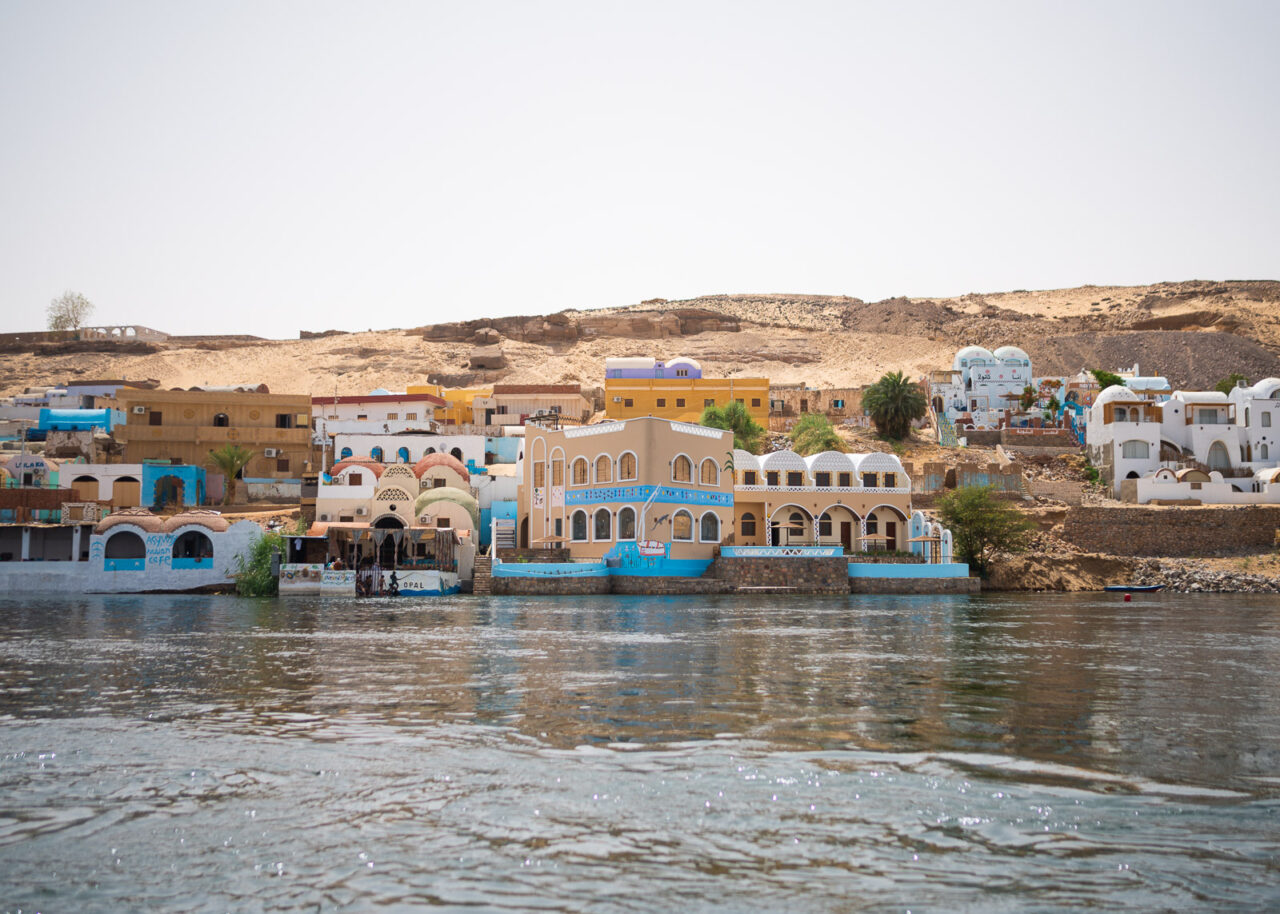
Nubian Village
Visit a traditional Nubian village near Aswan to discover local culture, crafts, and cuisine. Wander through colorful homes, try on Nubian attire, and enjoy warm hospitality from the community. The experience offers a relaxed, authentic glimpse into Nubian life far from the heat and bustle. It’s a peaceful, enriching stop along your Nile journey.
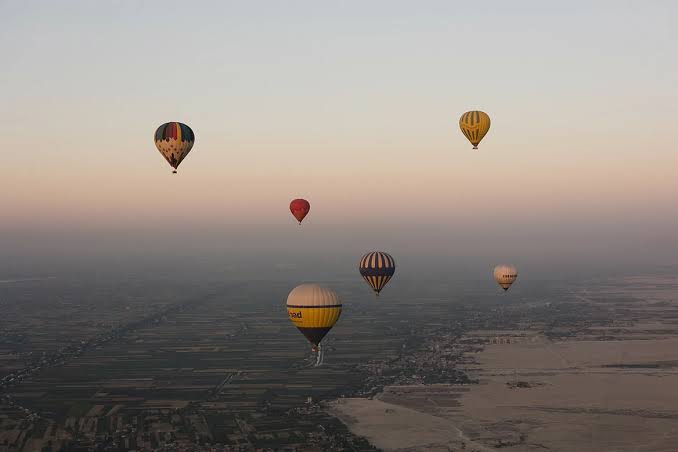
Hot Air Balloon (Luxor)
Experience a sunrise hot-air balloon ride over Luxor for a breathtaking aerial view of the Nile and ancient monuments. As the balloon ascends, watch temples, valley landscapes, and desert horizons bathed in golden light — an unforgettable start to your day. The ride lasts 30–60 minutes depending on weather and package. It’s a unique, serene way to see the cradle of ancient Egypt from above.
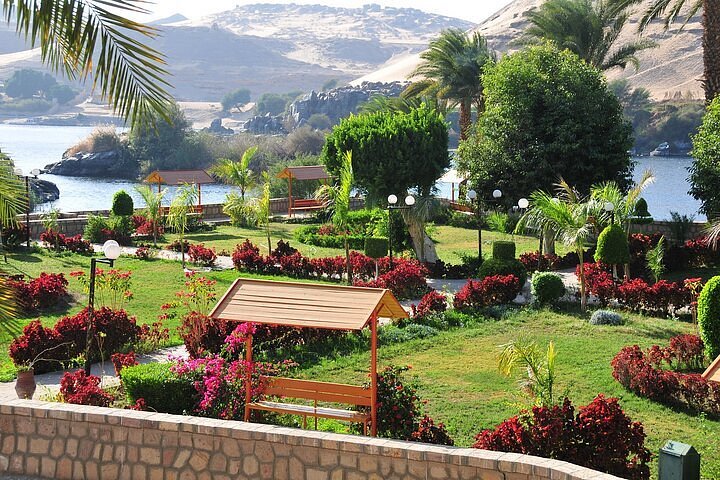
Botanical Garden
Escape to a lush botanical garden on an island near Aswan, home to hundreds of plant species, tropical trees, aromatic herbs, and exotic birds. Stroll through shaded paths among palms and flowering plants, surrounded by calm Nile views and fresh breezes. It’s a quiet and refreshing retreat — perfect for nature lovers seeking calm between adventures on the river.